
OUR BOARD OF DIRECTORS
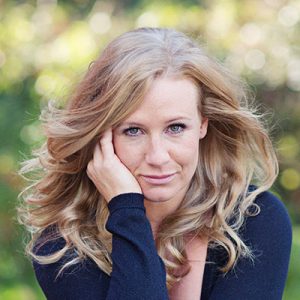
Helena Blöcker
1. Chairperson
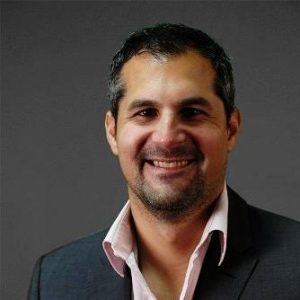
Sascha Cordas
Deputy Chairman
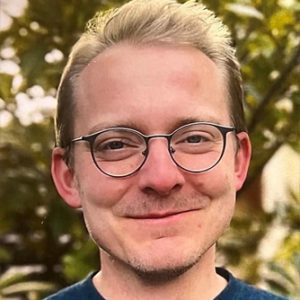
David Schorling
Board member
UNSERE EHRENMITGLIEDER
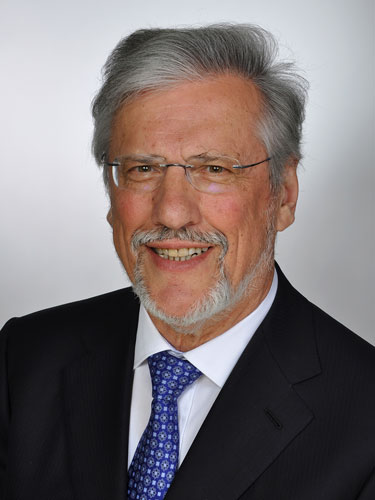
Prof. Dr. med. Karl Welte
Senior Professor at the University Hospital of Tübingen
University Hospital Tübingen
Pediatrics I: General Pediatrics, Hematology and Oncology
Discoverer of the GCSF
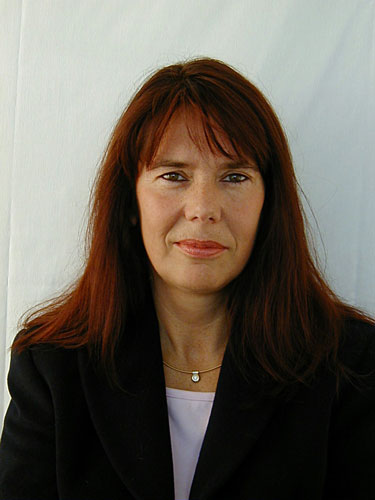
Dr. med. MPH
Cornelia Zeidler
Hannover Medical School
Department of Pediatric Hematology and Oncology and Department of Hematology, Hemostaseology, Oncology and Stem Cell Transplantation
Head of the SDSR-EU and SCNIR Registry
Head of the Neutropenia Clinic for Adults and Children, University Hospital Tübingen
Practicing Pediatrician and Adolescent Physician
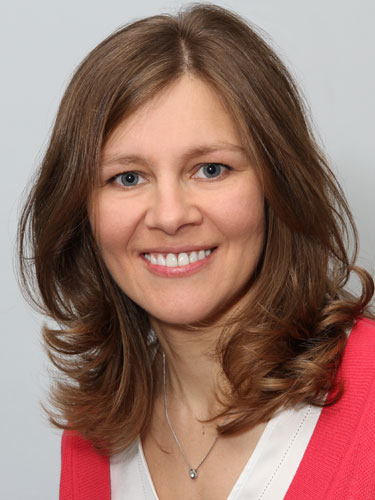
Prof. Dr. Dr. med.
Julia Skokowa
University Hospital Tübingen
Internal Medicine II: Hematology, Oncology, Clinical Immunology and Rheumatology
Head of the reference laboratory of the SDSR-EUR and the SCNIR Register
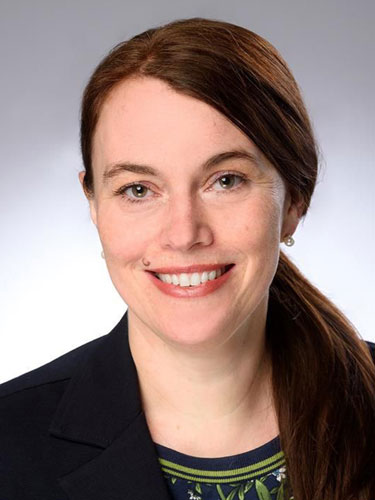
Sabine Mellor – Heineke
Pediatrician
Children's and Adolescent Clinic
Pediatric Oncology and Hematology
Special consultation for SDS and neutropenia
OUR ASSOCIATION
- supports and helps affected persons, family and friends
- collects donations for research and the SDSR-EU (Shwachman Diamond Syndrome Registry Europe)
- provides information work
- connects professionals, doctors and sufferers worldwide
Why is our work so important?
Doctors still make wrong diagnoses because they don’t know about the syndrome. This often means years of helplessness and a restricted, troubled life. That too has to change and will only work if you know more about SDS.
There are many reasons why people with a rare disease need support.
- How can I live with it and how long will I live?
- What does this all mean for me and my family?
- Who can help me and how?
- Where should I go?
- Who can just tell me what’s in store for me?
Why a register?
Only by collating information can the course and characteristics of the disease be recorded, evaluated and new knowledge gained that enable and improve life with this disease. This is just as important for those affected as it is for the treating doctors.
That's why we depend on every patient and help each other when every affected person registers with the SDSR-EU (European Registry for Shwachman Diamond Syndrome).
Why is research important?
Without the research, there would be no help!
Only if research can and is allowed will ways be found to find better medicine and therapies in order to be able to live well with SDS.
Example: cancer or HIV were unknown for many years. Today there is very good help for the diseases. This can only be achieved through research. The more you know, the better you can help and heal.
If you also need help and a contact person, feel free to contact us. We are here for you.
People with similar illnesses or undiagnosed conditions who are seeking support are also very welcome. We know it's not always easy, and there isn't a specific contact person or organization for everyone with a rare disease.
Membership
If you would like to support us as an active member and want to use the advantages of togetherness, you will find our declaration of membership for
If you would like to support us as an active member and take advantage of the benefits of the community, you can find our membership application and data protection regulations (GDPR) here.
SDS Deutschland e.V. Shwachman Diamond Syndrom
Simply fill it out, sign it and send it to us:
By mail:
SDS Deutschland e.V.
Bussardweg 21
72631 Aichtal
Digitally via email:
-allone we are rare, together we are strong-
We look forward to you!