
About us
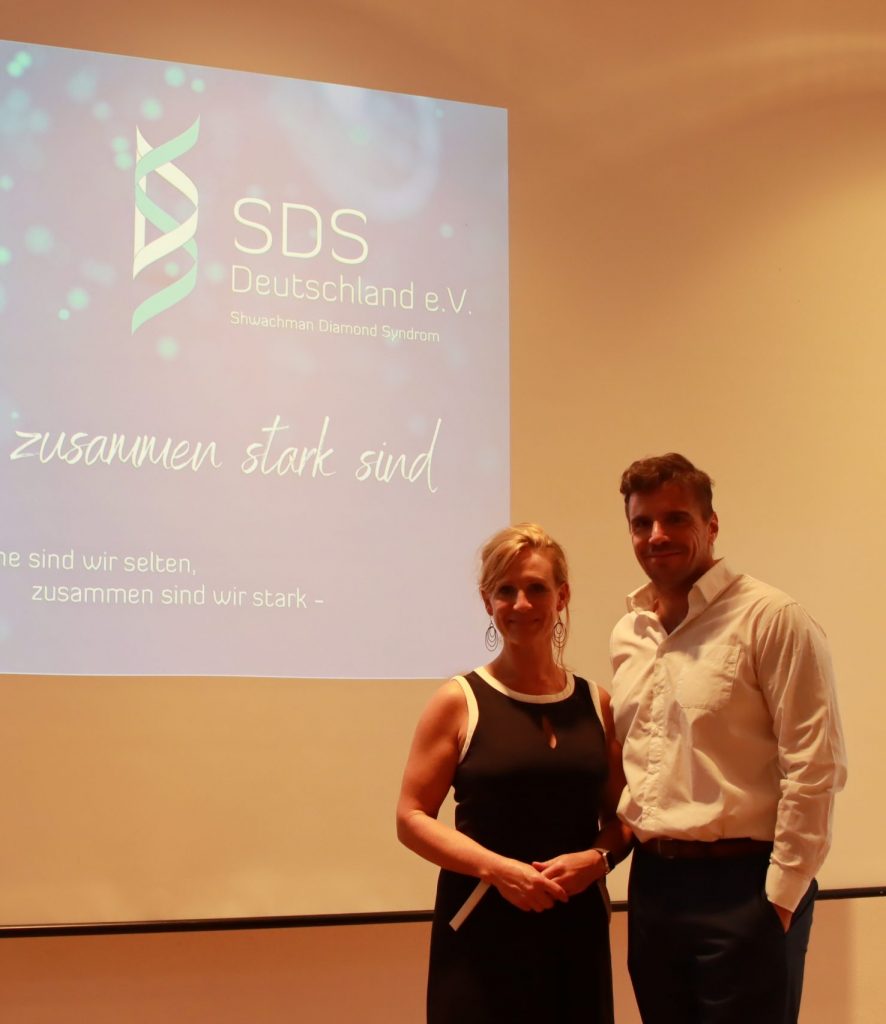
SDS Germany e.V. (Shwachman-Diamond Syndrome) plays a crucial role in supporting those affected and their families. Through education, the exchange of experiences, networking with clinics and doctors, and the promotion of research projects, the association contributes to deepening the understanding of the disease and improving the quality of life for those affected.
Founded on February 2, 2020, by Helena Blöcker and Christiane Weyer, the organization is committed to raising awareness about the disease. Through its support of research projects, SDS Germany e.V. contributes to a deeper understanding of the syndrome and promotes new treatment approaches.
We organize regular in-person and online events to bring together affected individuals and their families, facilitate the exchange of experiences, and foster a supportive community. We attend specialized conferences and maintain an international network. Our distinguished honorary members from basic and clinical research in this field are available to discuss individual questions and concerns related to SDS and to provide comprehensive informational materials to help our members stay up-to-date on the latest developments in Shwachman-Diamond syndrome.
We are active nationwide.
The Syndrom
Shwachman-Diamond syndrome (SDS) is a very rare genetic disorder that is usually diagnosed only after a long period of suffering. Typically, the parents are healthy and are only carriers of the gene. It is characterized by mutations in the SBDS and SRP54 genes. These mutations affect the normal development of various tissues and organs in the body. The disease can lead to various health problems; the main features are hematological abnormalities such as neutropenia (a reduced number of certain white blood cells), pancreatic insufficiency (inadequate pancreatic function), elevated liver enzymes, skeletal abnormalities, and growth retardation. There is a strong predisposition to leukemia, myelodysplastic syndrome, or complete bone marrow failure. The disease can range from mild to severe.
Diagnosis and treatment
The diagnosis is often made through a combination of blood tests, imaging procedures, and genetic tests.
Common symptoms include chronic diarrhea and digestive problems (due to a lack of digestive enzymes in the pancreas), and recurrent infections due to a weakened immune system. Children with SDS may also have reduced bone density and developmental delays.
Treatment focuses on alleviating symptoms and improving the well-being of those affected, as there is currently no cure. This may include administering digestive enzymes, G-CSF, antibiotics, inserting a feeding tube, stem cell transplantation, and other supportive measures.
Join Association
SDS Deutschland e.V. plays a crucial role in supporting people affected by Shwachman Diamond Syndrome (SDS).
The association promotes understanding of this rare genetic disease through education, exchange of experiences, networking with clinics and doctors, and active research support. With the goal of improving the quality of life for those affected and increasing the chances of a cure, the nationwide organization works in collaboration with renowned honorary members. Information materials, online seminars, and events are offered.